

10 Home Décor Trends That Will Shape Homes in 2026
Home décor trends in 2026 are moving away from fast-changing aesthetics and toward choices that feel intentional, adaptable, and long-lasting. Across the U.S. and Canada, homeowners are prioritizing comfort, functionality, and materials that age well over time. Rather than dramatic visual statements, the focus is shifting to spaces that support everyday living while still feeling refined.
These trends are not about the following rules. They reflect broader changes in how homes are used — from hybrid work routines to smaller living spaces and a growing interest in sustainable design. Whether you’re planning a full renovation or making gradual updates, understanding these shifts can help you make better informed decisions.
Below are ten home décor trends expected to shape interiors in 2026, with practical context on where they work best and what to consider before adopting them.
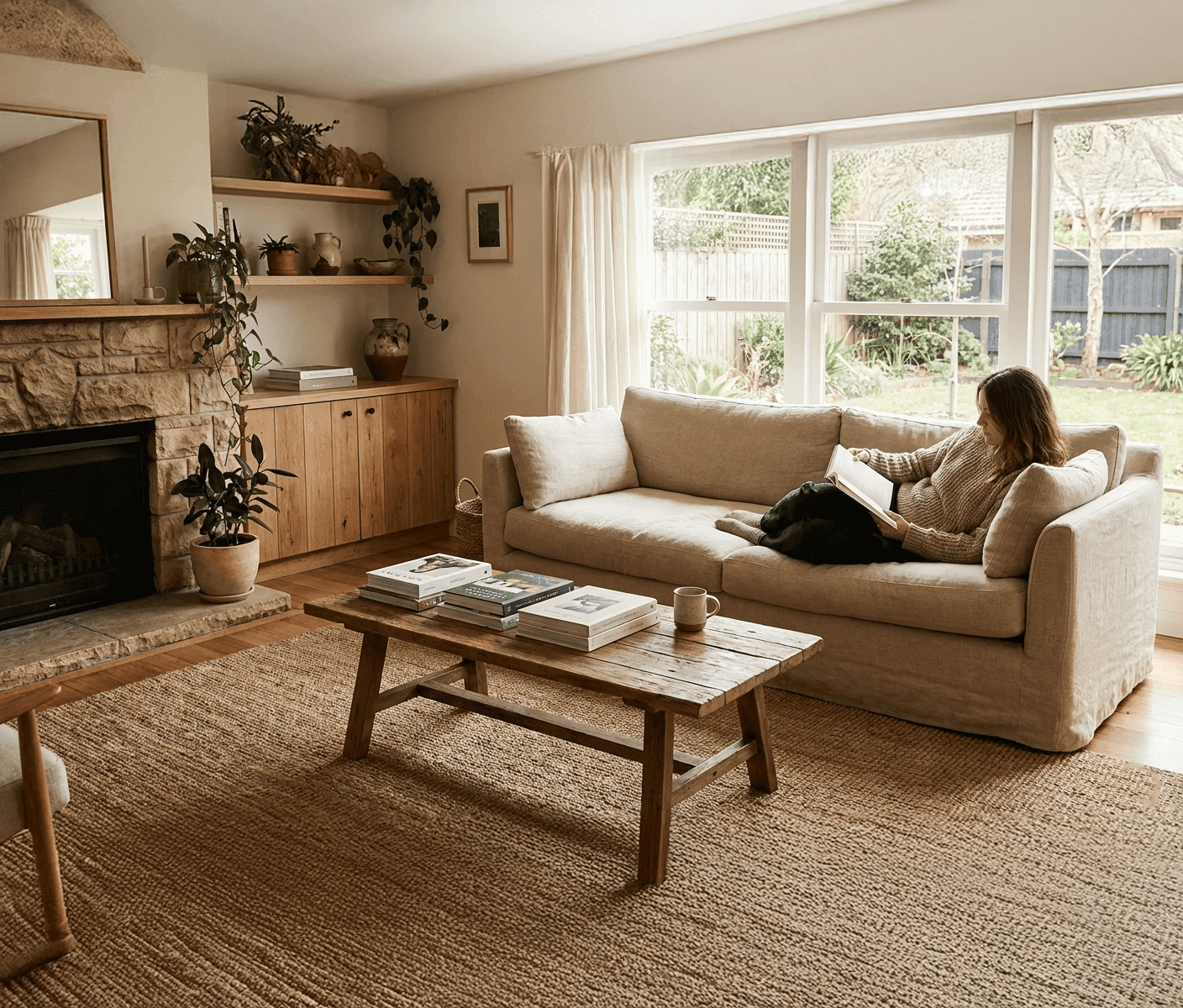
1. Warm Minimalism with Natural Textures
What It Is
Warm minimalism blends clean lines with tactile materials such as wood, linen, clay, and stone. Unlike traditional minimalism, it avoids stark or cold finishes and instead emphasizes softness and warmth.
Why It’s Gaining Popularity in 2026
As homes become multi-functional, overly rigid or sterile interiors are losing appeal. This style balances simplicity with comfort, making it especially relevant for modern North American homes.
Where It Works Best
Living rooms, bedrooms, and open-plan kitchens benefit most from this approach.
Things to Consider
Too much neutrality without texture can feel flat. Layering materials are key to keeping the space visually engaging.
2. Earth-Toned Color Palettes
What It Is
Colors inspired by nature — warm browns, muted greens, terracotta, sand, and soft clay tones — are becoming dominant across interiors.
Why It’s Gaining Popularity in 2026
Earth tones feel grounding and timeless. They also pair well with a wide range of materials, making it easier to maintain long term.
Where It Works Best
Bedrooms, dining areas, and transitional spaces like hallways.
Things to Consider
Balance is important. Using darker earth tones in small spaces without adequate lighting can make rooms feel closed in.
3. Layered Lighting Instead of Single Fixtures
What It Is
Layered lighting combines ambient, task, and accent lighting rather than relying on one central light source.
Why It’s Gaining Popularity in 2026
With more time spent at home, lighting needs to adapt to different activities throughout the day.
Where It Works Best
Living rooms, kitchens, and work-from-home setups.
Things to Consider
Poor placement can cause glare or uneven lighting. Planning lighting early is especially important during renovations.
4. Curved Furniture and Soft Edges
What It Is
Furniture with rounded edges, curved backs, and organic shapes replace sharp, angular designs.
Why It’s Gaining Popularity in 2026
Curves introduce visual softness and create a sense of flow, which works well in compact or open-plan layouts common in urban homes.
Where It Works Best
Sofas, accent chairs, dining chairs, and coffee tables.
Things to Consider
Too many curved elements in one space can feel overly styled. Mixing shapes keep the look balanced.
5. Purpose-Driven Décor
What It Is
Décor pieces that serve a functional role — such as storage benches, decorative shelving, or multipurpose furniture — are becoming more prominent.
Why It’s Gaining Popularity in 2026
Homeowners are becoming more selective about what they bring into their spaces, especially in smaller homes and condos.
Where It Works Best
Entryways, kitchens, and bedrooms.
Things to Consider
Function should not compromise comfort or usability. Pieces should genuinely serve their intended purpose.
6. Subtle Pattern Mixing
What It Is
Rather than bold, contrasting patterns, 2026 interiors favour subtle pattern layering using similar color families and scales.
Why It’s Gaining Popularity in 2026
This approach adds depth without overwhelming space, making it easier to live over time.
Where It Works Best
Soft furnishings like cushions, rugs, curtains, and upholstered furniture.
Things to Consider
Use a restrained color scheme to keep the design clean and balanced.
7. Natural and Honed Finishes
What It Is
Matte, honed, and lightly textured finishes are replacing high-gloss surfaces across interiors.
Why It’s Gaining Popularity in 2026
These finishes feel more natural and show less wear, making them practical for everyday living.
Where It Works Best
Kitchens, bathrooms, and high-touch surfaces.
Things to Consider
Some natural finishes require sealing or regular maintenance to retain their appearance.
8. Open Shelving Used Selectively
What It Is
Open shelving is being used thoughtfully rather than as a dominant design feature.
Why It’s Gaining Popularity in 2026
Homeowners want openness without sacrificing storage efficiency.
Where It Works Best
Kitchens, dining areas, and home offices.
Things to Consider
Open shelves require consistency and upkeep. Overloading them can make spaces feel cluttered.
9. Personal, Collected Interiors
What It Is
Homes are moving away from showroom-like styling toward spaces that reflect personal stories, travel, and lived experiences.
Why It’s Gaining Popularity in 2026
There’s a growing preference for authenticity over perfection in home design.
Where It Works Best
Living rooms, hallways, and reading nooks.
Things to Consider
Intentional curation matters. Too many unrelated items can dilute the impact.
10. Design That Prioritizes Longevity
What It Is
Choosing materials, layouts, and décor elements that remain relevant over time rather than following short-lived trends.
Why It’s Gaining Popularity in 2026
Home renovations are significant investments. Longevity reduces the need for frequent updates.
Where It Works Best
Whole-home design decisions, especially kitchens and bathrooms.
Things to Consider
Trend elements can still be incorporated, but ideally through easily changeable pieces like accessories or textiles.
Final Thoughts
Home décor trends for 2026 reflect a broader shift toward intentional living. Rather than dramatic transformations, the emphasis is on thoughtful updates that improve how spaces function and feel over time. Not every trend will suit every home, but understanding these design directions can help homeowners make choices that are both practical and enduring.
As with any design decision, context matters — from layout and lifestyle to budget and long-term plans. Trends work best when they support how a space is actually used, rather than dictating how it should look.

Marcus Ellery
Marcus Ellery is a U.S.–based design writer and home–living enthusiast with a passion for exploring how thoughtful craftsmanship shapes modern spaces. With over a decade of experience covering kitchen innovation, luxury interiors, and architectural design trends, Marcus brings a balanced blend of storytelling and technical insight to every piece he writes.
More from Home Décor & Styling


Join Our World of Design & Cuisine
Receive curated stories on French craftsmanship, design inspirations, and culinary living — straight from French Ranges USA.