

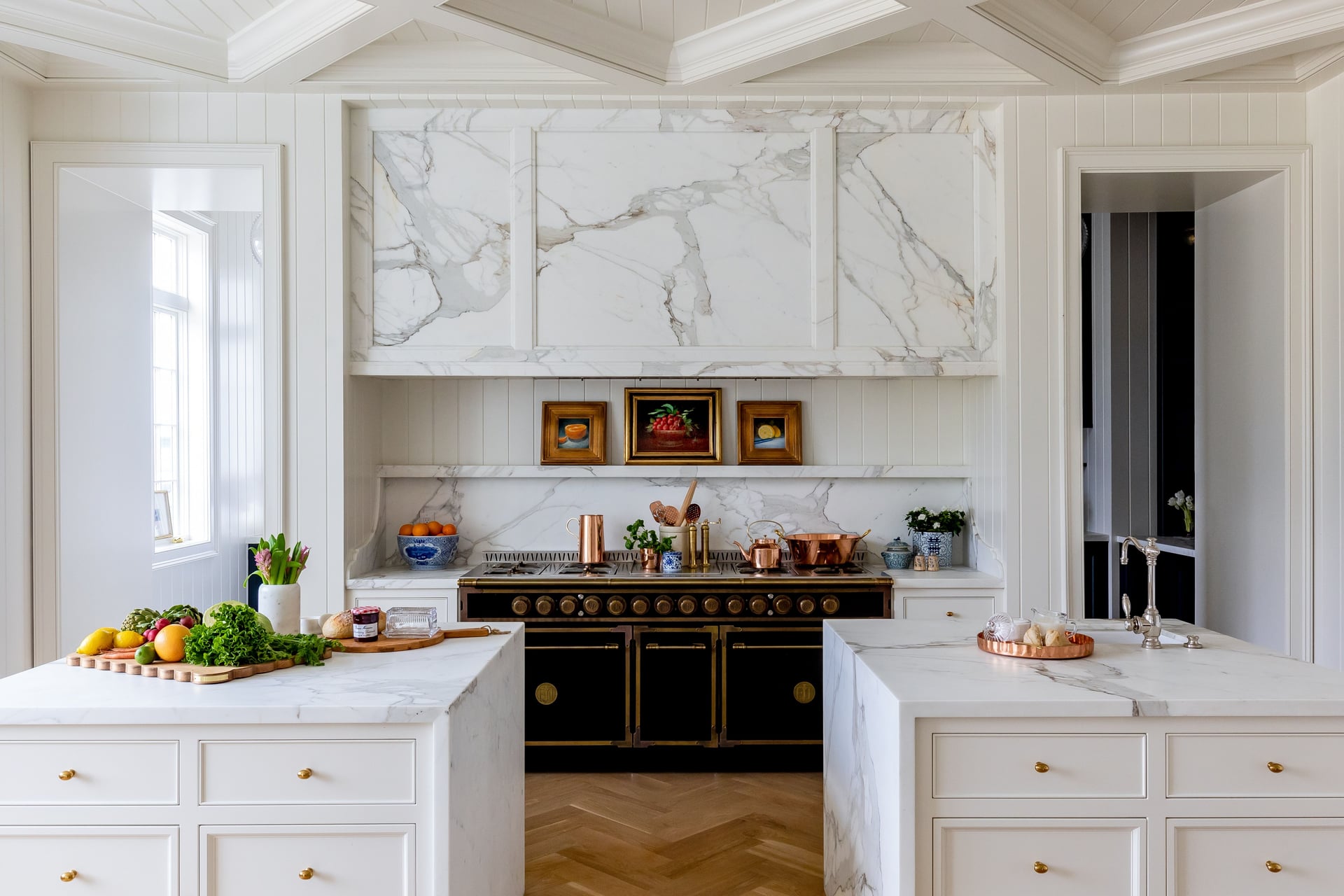
Small Kitchen Design Ideas That Make Any Space Feel Larger
Small kitchens are common across apartments, condos, and compact homes throughout the United States and Canada. Limited square footage doesn’t mean you have to compromise on beauty or function. With smart planning and a few strategic design decisions, even the tightest layout can feel open, efficient, and inviting.
The secret isn’t necessarily expanding the footprint. It’s about improving how the space works, how light moves through it, and how the eye perceives scale.
Below are practical, proven ideas designers rely on to visually enlarge smaller kitchens while keeping them highly usable for everyday life.
Embrace Light Colors and Reflective Surfaces
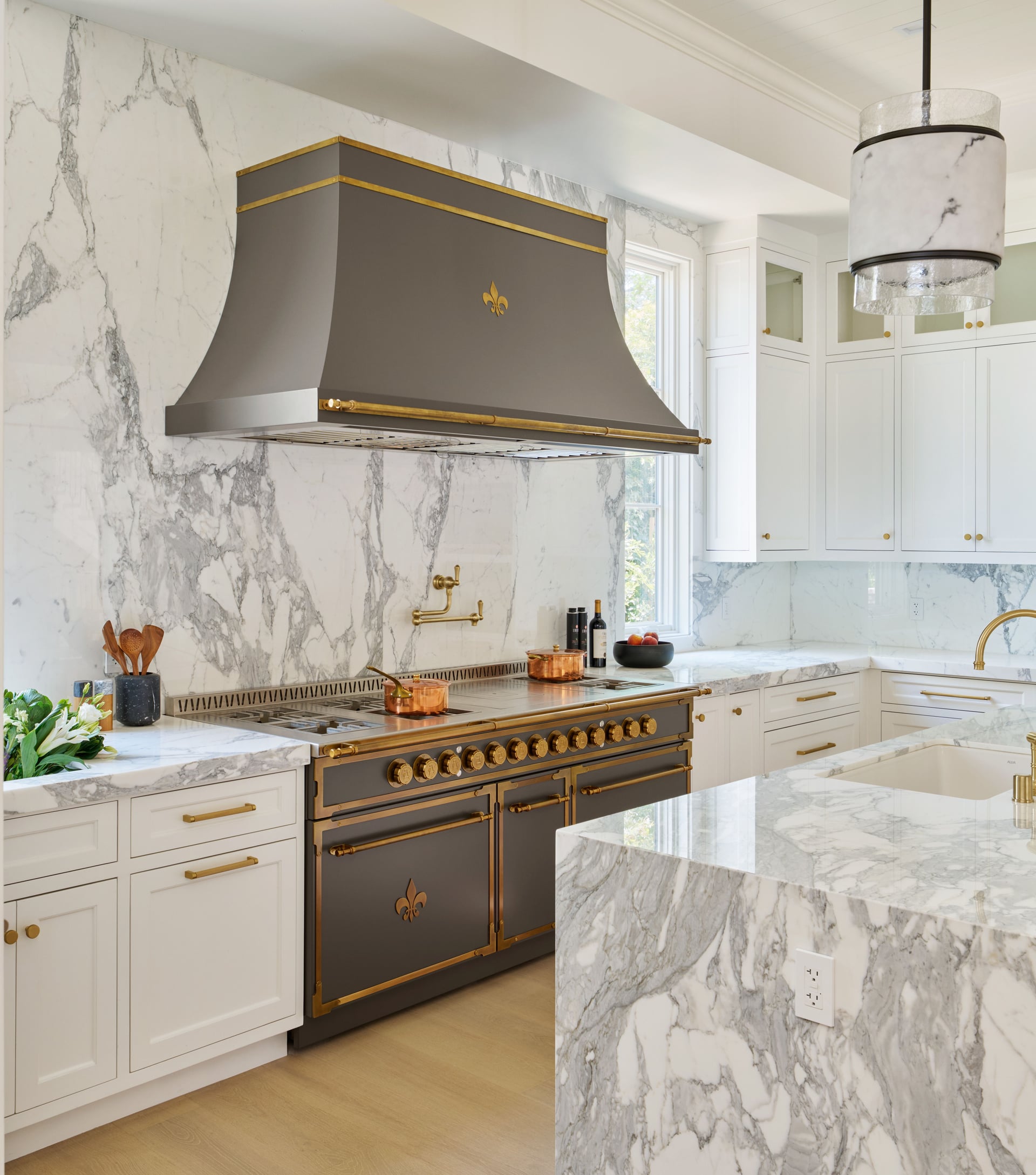
Color has a powerful psychological impact on perceived size. Lighter palettes - whites, soft grays, warm neutrals help bounce light around the room and reduce visual heaviness.
Reflective materials amplify this effect. Glossy backsplashes, glass cabinet inserts, polished countertops, and stainless finishes catch light and create dimension, which prevents the kitchen from feeling boxed in.
This doesn’t mean everything must be stark or cold. Layering textures keeps the space warm while maintaining openness.
If you want to see how evolving materials and finishes are shaping modern homes, explore Top Kitchen Design Trends for 2026 Every Homeowner Should Know.
Maximize Vertical Storage
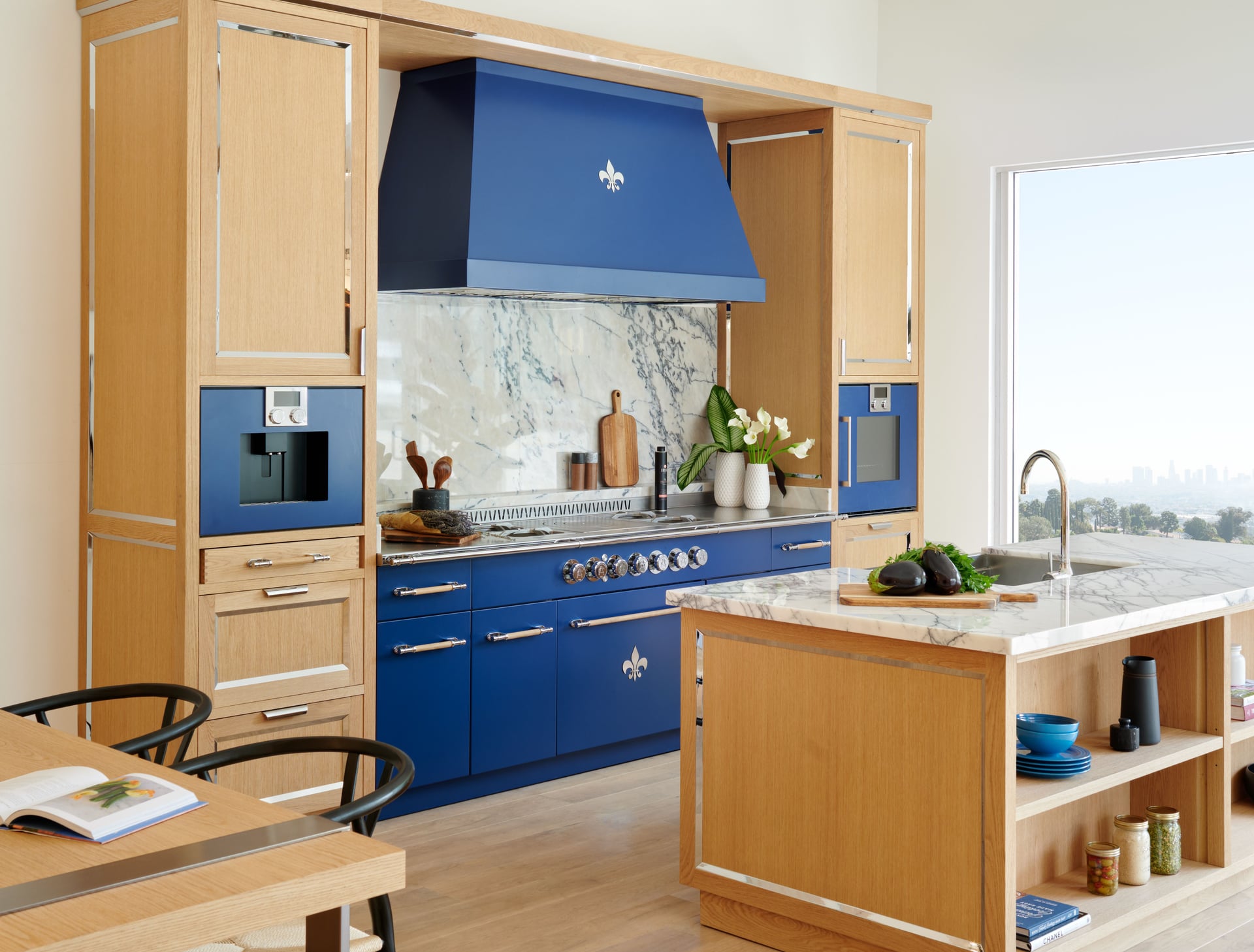
When floor space is limited, the solution is simple: build upward.
Tall cabinetry, open shelving, and ceiling-height storage draw the eye higher, making the room feel taller. They also reduce clutter on counters, which is crucial in compact kitchens.
Many homeowners underuse the top portion of their walls, leaving valuable storage potential untouched. Even adding an extra shelf for seasonal or rarely used items can free up daily workspace.
Keep frequently used tools within reach and store occasional items higher up.
Choose Multi-Functional Features
In smaller kitchens, every element should earn its place.
Consider islands with built-in storage, pull-out cutting boards, foldable tables, or banquettes with hidden compartments. These pieces increase functionality without crowding the room.
A well-designed layout reduces the need for extra furniture, which keeps pathways open and improves movement.
Improve the Flow With Smart Layout Decisions
Tight kitchens often feel stressful because movement becomes awkward. Reworking how appliances, prep areas, and storage interact can dramatically improve comfort.
Keeping the primary zones - sink, cooktop, refrigerator- within efficient reach reduces unnecessary steps. Even minor adjustments in spacing can make cooking feel smoother.
For homeowners planning upgrades, avoiding common pitfalls early saves time and money later. Our article on 10 Affordable Ways to Make Your Home Look More Luxurious explains how thoughtful changes can produce outsized results.
Let There Be Better Lighting
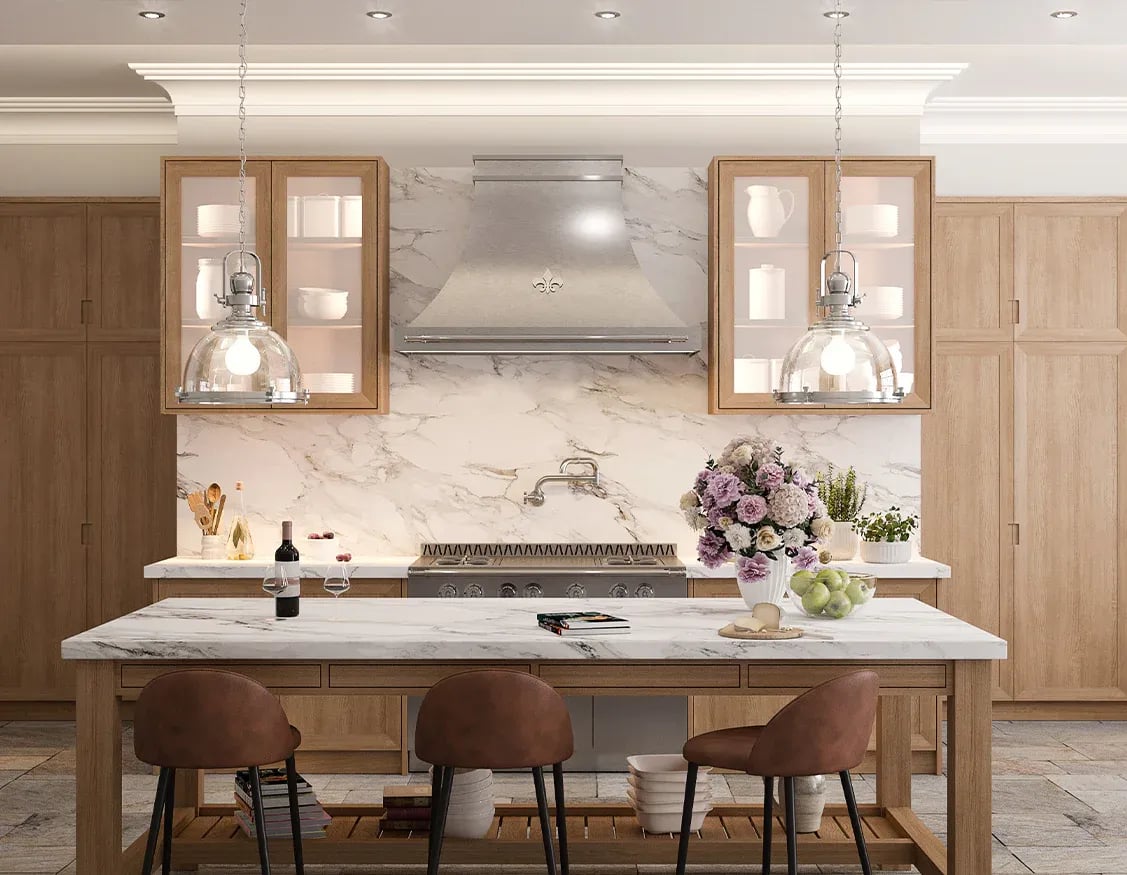
Poor lighting instantly shrinks a space.
Layered illumination - combining ceiling fixtures, task lighting, and accent lights; removes dark corners and highlights architectural details. Under-cabinet lighting is especially effective in smaller kitchens because it brightens work surfaces without adding bulk.
Brighter rooms naturally appear larger and more welcoming.
Reduce Visual Clutter
Nothing makes a kitchen feel tighter than crowded countertops.
Try relocating small appliances, consolidating utensils, or using organizers inside drawers and cabinets. Minimal, intentional styling creates breathing room, which in turn enhances the perception of space.
Remember, visual simplicity often reads as sophistication.
Use Open or Glass Cabinetry Strategically
Solid cabinet fronts can feel heavy in compact layouts. Mixing in glass panels or open shelving breaks up mass and introduces depth.
However, balance is important. Too many open shelves may lead to visible clutter, so reserve them for neatly arranged essentials or decorative pieces.
For homeowners considering high-end craftsmanship or professional-grade kitchen design, exploring expert manufacturers such as L’Atelier Paris can provide valuable insight into custom ranges and kitchen solutions built for both performance and refined aesthetics.
Add Depth With Contrast
While light colors expand, subtle contrast prevents the room from feeling flat.
A darker island base, textured backsplash, or warm wood accent can anchor the design and provide character without reducing openness. When done thoughtfully, contrast makes the kitchen feel layered and intentional.
Incorporate Slimmer Profiles
Bulky furniture and oversized fixtures overwhelm tight rooms. Opt for streamlined hardware, narrower stools, and appliances scaled to the kitchen’s dimensions.
The more air you can see around objects, the bigger the room will feel.
Make Everyday Cooking Feel Effortless
A spacious feel isn’t just visual — it’s experiential. When the layout supports easy preparation and cleanup, the kitchen feels calmer and more enjoyable to use.
If you’re upgrading the environment, pairing it with approachable meals makes the improvement even more rewarding. For example, dishes like The Perfect Roast Chicken Recipe for Beginners (Foolproof & Flavorful) are ideal for testing a newly optimized workflow.
Small Can Still Be Exceptional
Great design isn’t measured in square feet. It’s measured in how effectively a space supports daily life.
By prioritizing light, storage, proportion, and smart organization, compact kitchens can rival much larger ones in both performance and beauty.
Want more renovation guidance and practical ideas? Browse our growing collection of expert articles created to help homeowners make confident, informed decisions.
Lighting is a powerful design tool. Using multiple light sources at different heights, like table lamps and sconces, creates a cozy atmosphere. Warm bulbs around 2700-3000K feel more inviting than cool tones.
Mirrors are a great way to make a room feel more open by reflecting light. Hanging curtains higher and wider than the window frame also creates the illusion of taller ceilings. Decluttering and focusing on a few statement pieces lets the room breathe.
Cohesion doesn't mean everything has to match perfectly. Repeating colors, materials, and shapes from room to room creates flow, making even small homes feel intentional. Neutral foundations with accent colors tie spaces together.