

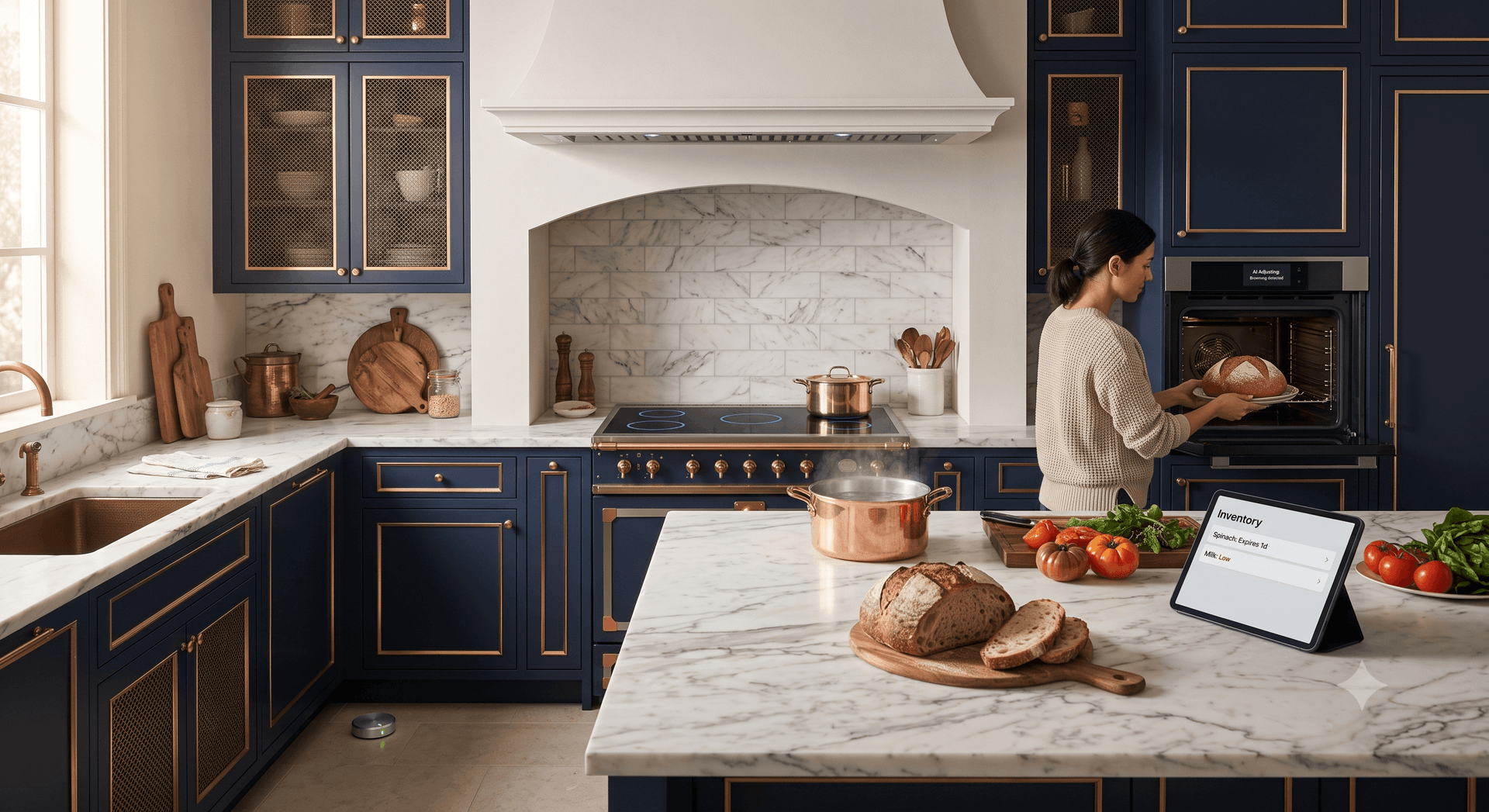
Smart Kitchen Technology: What's Worth Installing in 2026
Homeowners planning a full kitchen remodel, rather than swapping in one gadget at a time, tend to get better results by starting with layout and craftsmanship first. That's the approach L'Atelier Paris takes with custom French-inspired kitchens: the technology gets built around the design, not bolted onto it afterward.
What Smart Kitchen Technology Is Actually Worth Buying in 2026?
A few categories have earned their spot. Induction cooktops with sensors that detect boiling and shut off automatically prevent the kind of stovetop accident that home insurance claims are full of. Range hoods that ramp fan speed up or down based on how much smoke or steam they're sensing save you from fumbling with dials mid-recipe. Refrigerators that flag food nearing its expiration date cut down on grocery waste, which adds up over a year more than people expect. And leak sensors under a sink or dishwasher are cheap, usually under $50 apiece, against a repair bill that can run into the thousands if a slow leak goes unnoticed for weeks. None of this is flashy. It's just useful.
Are AI-Powered Appliances Different from Smart Appliances?
Homeowners ask this constantly, and the line gets blurred by marketing on purpose. A smart appliance is remote-controlled: you open an app, set a schedule, get a notification when the cycle finishes. An AI-powered appliance does more than respond to commands, it adjusts on its own. A modern AI oven can detect what's inside, gauge how it's browning, and correct the temperature mid-bake without you touching a dial. That's a real difference in ranges and ovens, where uneven heat has always been the enemy of a good result. In a $150 coffee maker, "AI" usually just means it remembers your preferred strength setting, which isn't artificial intelligence so much as a saved preset with better branding.
Do Smart Ranges and Ovens Really Make Cooking Easier?
Only if the range underneath the technology was built well to begin with. A touchscreen mounted on a mediocre burner is still a mediocre burner, just with extra steps. French-inspired ranges tend to hold up better here because the burner design and oven cavity were engineered for even, professional-grade heat long before any smart features got added on top. Where the technology actually earns its keep is in things like phone-based oven cameras, so you can check on a roast without opening the door and losing heat, and remote simmer adjustment for anyone juggling multiple pans at once. If you're renovating and thinking about how the appliances will look alongside everything else, our post on French-inspired kitchen decor ideas walks through pairing that classic warmth with modern function.
What Smart Kitchen Gadgets Are Trending Right Now?
Smaller devices are having a moment too. Nutrition-tracking smart scales, countertop air quality monitors, and voice timers that can juggle four dishes at once without you writing anything down are showing up in more American kitchens this year. Robotic stirring arms and precision sous vide machines, once a restaurant-only tool, have dropped enough in price to land on regular kitchen counters. The ones that survive past the first six months tend to be the ones solving an annoying, repetitive task, not the ones built to look good in a photo.
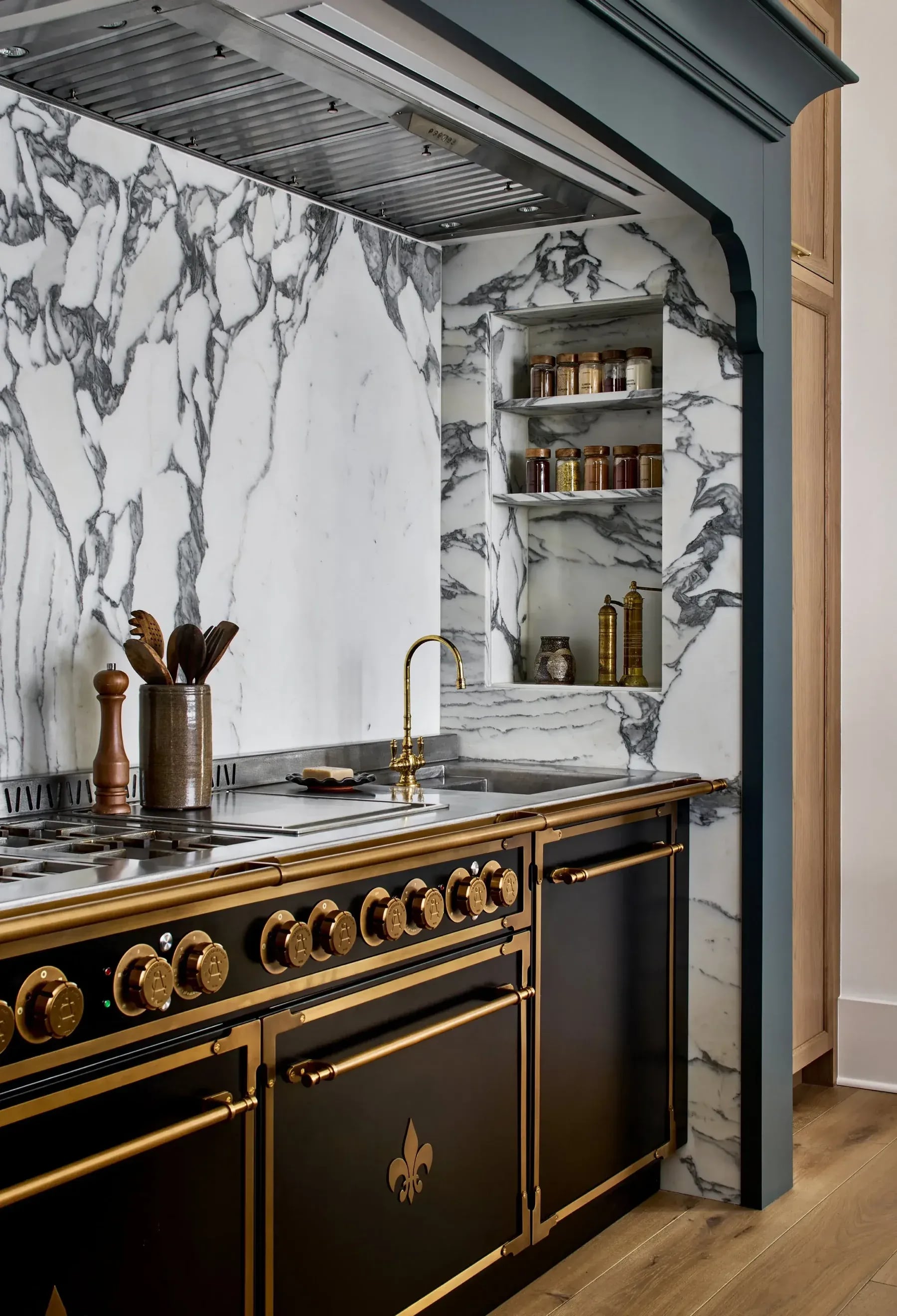
Source: https://www.leatelierparis.com/
How Much Should You Budget for Smart Kitchen Upgrades?
This depends entirely on scope. Swapping in one smart range or fridge usually costs a few hundred dollars more than the standard version. A fully connected kitchen, with smart lighting, leak sensors, and appliances throughout, can add several thousand dollars to a remodel budget. Our post on how to make your kitchen look more expensive on a budget covers how far design choices alone can carry you before you need to spend on tech at all.
For appliances that prevent damage or save real, repeated time, yes. For gadgets bought mostly for novelty, the return is usually disappointing within a year.
Smart means remote control and scheduling. AI means the appliance adjusts its own behavior based on what it senses, without you setting anything.
Sometimes, but only as a bonus on top of good design. Buyers respond to a well-built kitchen first; smart features are a nice extra, not a substitute.
A smart range with reliable, even heat control tends to deliver the most daily value, with leak sensors a close second for the peace of mind alone.
None of this technology fixes a poorly designed kitchen. It just makes a well-designed one work a little harder for you. Get the layout and the craftsmanship right first, and the smart features become worth having instead of something you eventually stop noticing.

Marcus Ellery
Marcus Ellery is a U.S.–based design writer and home–living enthusiast with a passion for exploring how thoughtful craftsmanship shapes modern spaces. With over a decade of experience covering kitchen innovation, luxury interiors, and architectural design trends, Marcus brings a balanced blend of storytelling and technical insight to every piece he writes.


Join Our World of Design & Cuisine
Receive curated stories on French craftsmanship, design inspirations, and culinary living — straight from French Ranges USA.