
7 Practical Ways to Keep Kitchen Floors Cleaner in Pet-Friendly Homes
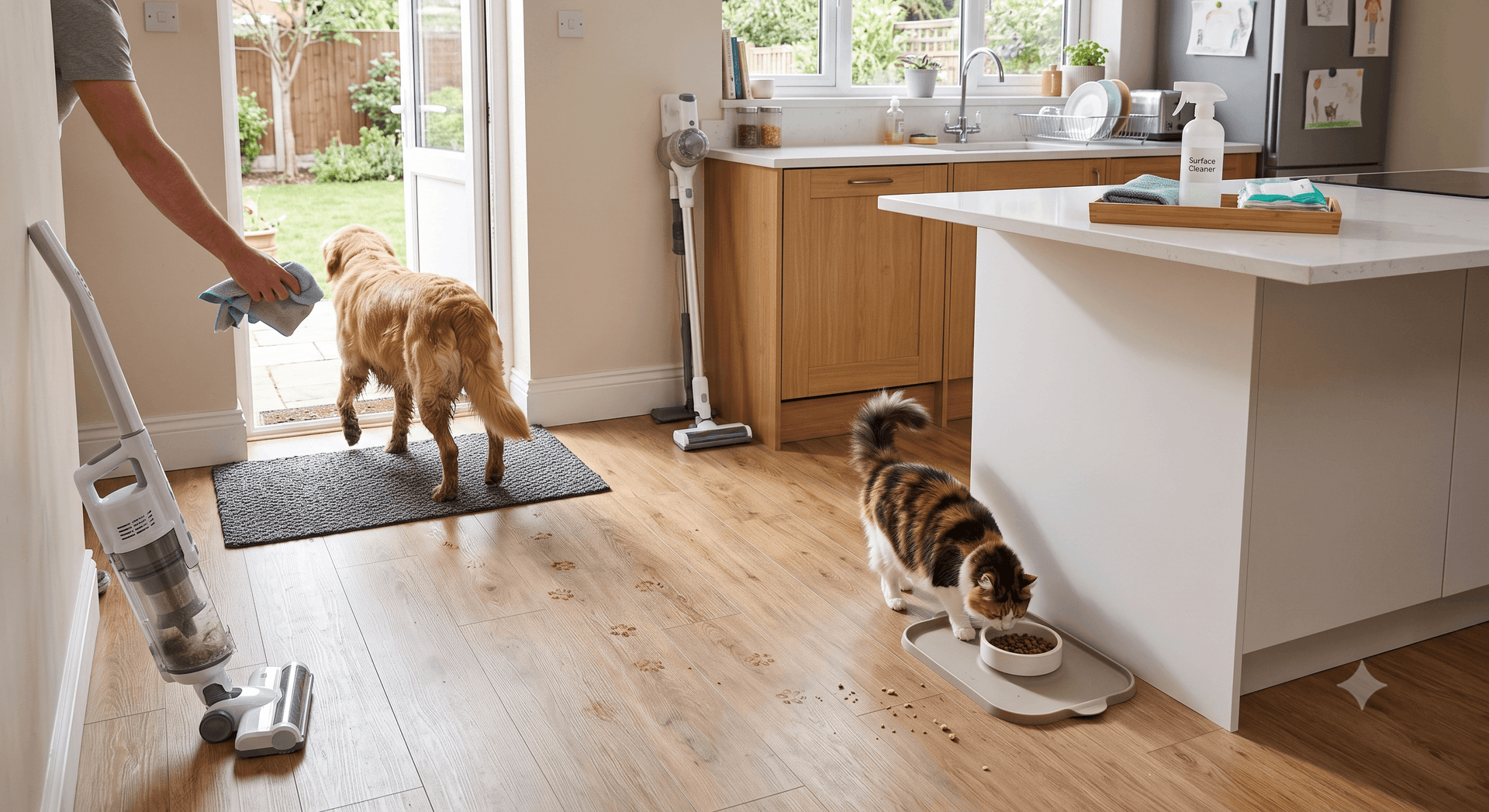
A pet-friendly kitchen is rarely picture-perfect for long. A dog walks in after a rainy break, a cat circles the food bowl, and a few minutes later there are paw prints, crumbs, fur, and a trail of water across the floor. The goal is not to keep the room untouched. It is to make everyday cleaning simple enough that the kitchen still feels calm, comfortable, and welcoming.
The best approach combines prevention, the right tools, and a short routine that fits real life. These seven practical ideas work for tile, vinyl, laminate, sealed wood, and many common kitchen surfaces. Always follow the care instructions for your specific flooring before using water, cleaning solutions, or a powered brush roll.
1. Stop Dirt Before It Reaches the Kitchen
The easiest floor to clean is the one that collects less dirt in the first place. Place a washable mat just inside the door your pet uses most often. A second mat outside can catch grit before it reaches the house. Choose low-profile mats that do not slide, bunch up, or block the door.
Keep a small towel or pet-safe wipe near the entrance for wet paws. This takes less than a minute and prevents mud from being tracked through the kitchen. During rainy or dusty weather, shake out or wash the mats more frequently. Small habits at the doorway reduce the need for repeated mopping later.

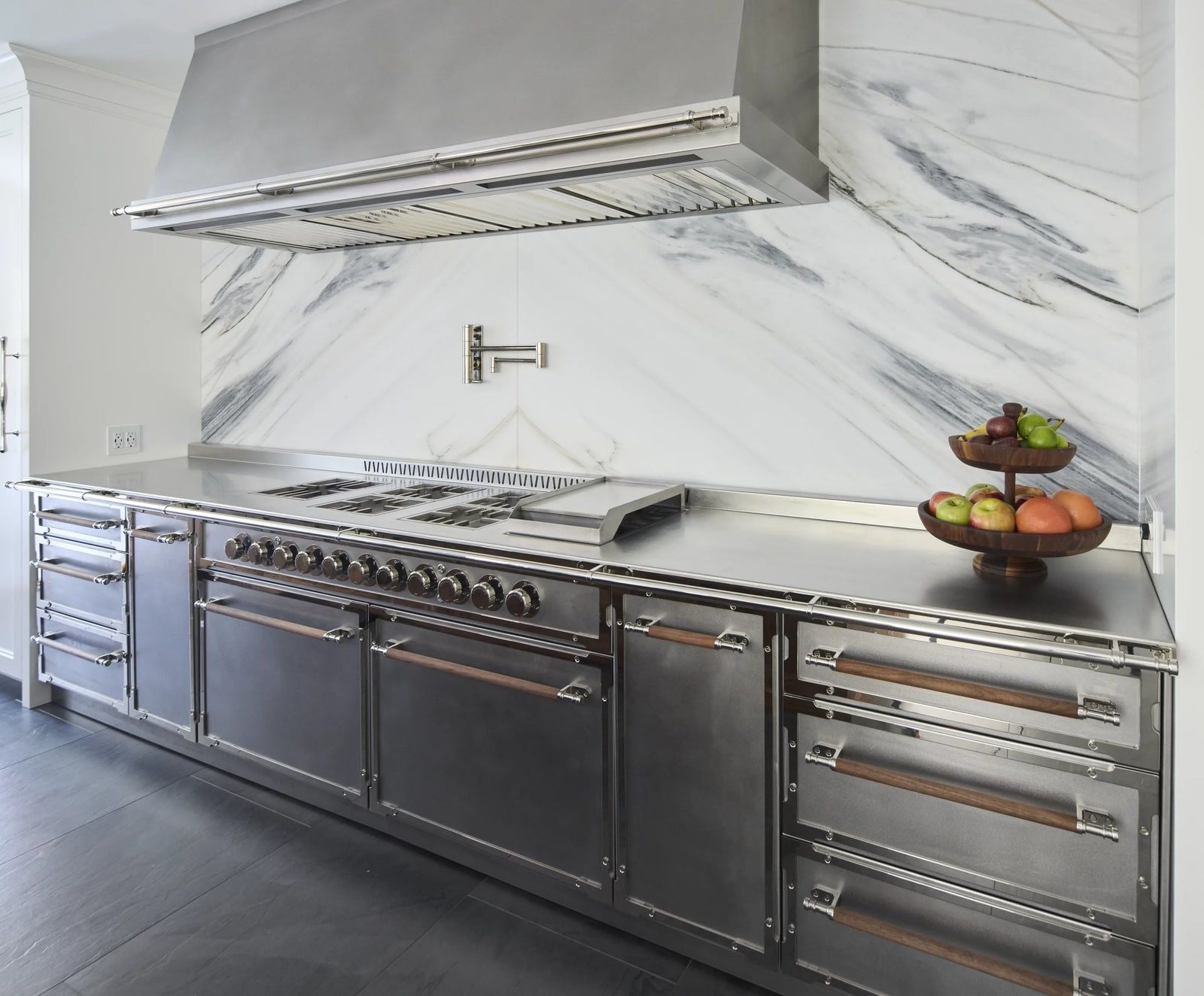
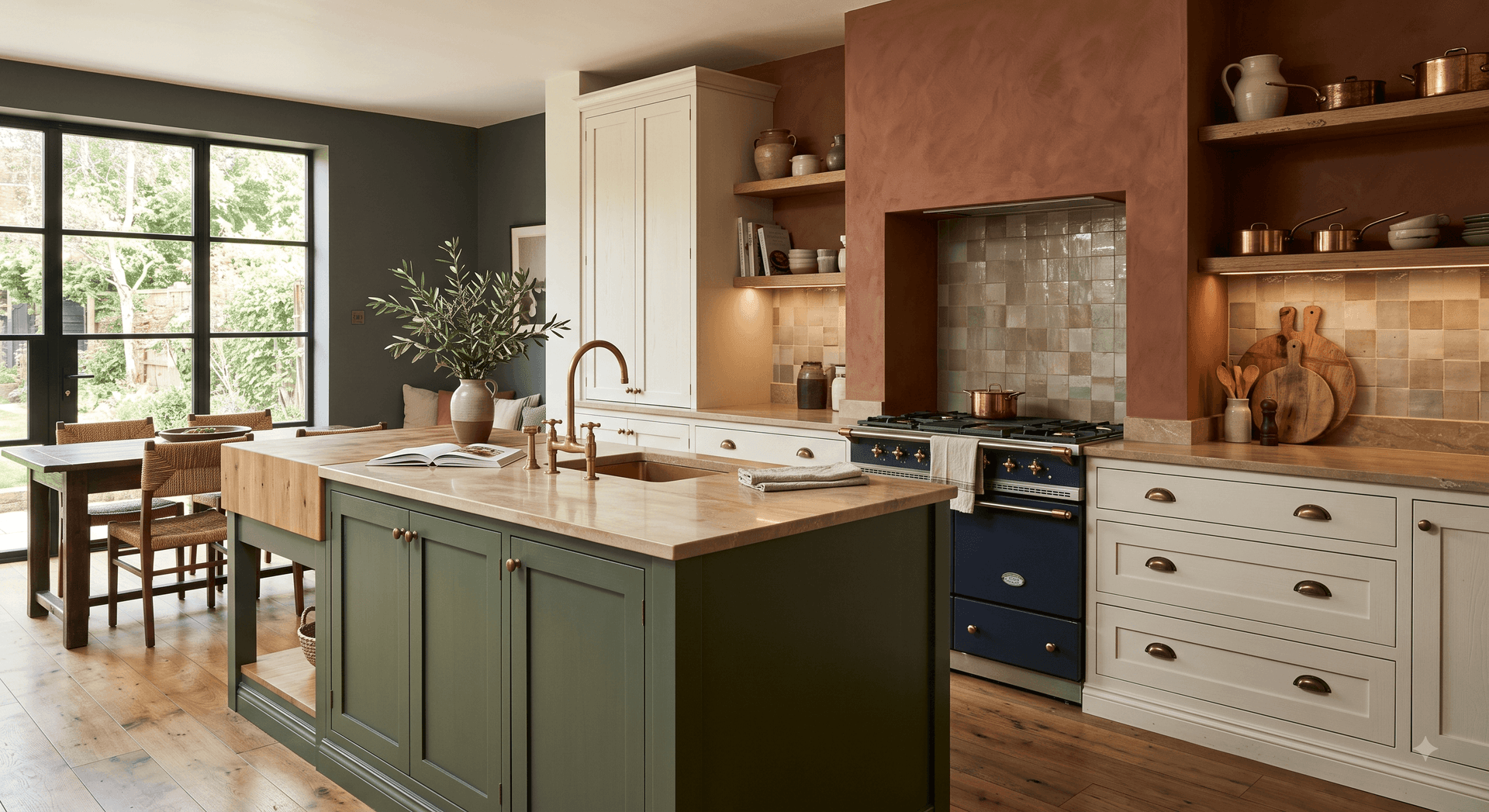
Design a kitchen that's beautiful and built for real life
See how custom French ranges and cabinetry hold up to everyday messes.
2. Match the Vacuum to Your Floor and Cleaning Style
Pet hair behaves differently on every surface. It may sit visibly on tile, cling to textured vinyl, or gather along the edges of rugs. A lightweight cordless vacuum is useful for quick daily passes, while an upright model may be more practical for larger carpeted areas near the kitchen or dining room.
Look beyond brand names and consider brush-roll control, floor settings, filtration, weight, and how easily the machine can reach under cabinets or around chair legs. A vacuum that is convenient to use will usually be used more often than a heavier machine stored in a difficult location.
Homeowners comparing different options can use this guide to choosing a vacuum for pet hair as a starting point before matching a machine to their flooring, home size, and cleaning routine.
3. Clean in Small Zones Instead of Waiting for a Big Mess
A kitchen becomes harder to manage when every task is saved for one long cleaning session. Divide the room into simple zones: the pet feeding area, the cooking area, the table, and the main walkway. Each zone usually needs a different level of attention.
A two-minute sweep around the food bowls may be enough in the morning. After dinner, a quick vacuum through the main walkway can collect crumbs and fur before they spread. This zone-based routine feels lighter than cleaning the entire kitchen several times a day, yet it prevents buildup in the areas that matter most.
A useful five-minute reset: pick up loose items, vacuum the feeding area, wipe visible spills, and check the main walkway for fur or grit.
4. Give the Feeding Station Its Own Cleaning Routine
Food and water bowls create a predictable mess, which makes the area easy to manage with the right setup. Place bowls on a washable tray or mat with a raised edge. It can catch splashes, kibble, and crumbs before they spread across the floor.
Lift the bowls and wipe underneath them regularly. Moisture trapped below a mat can leave marks or create odors, especially on wood or laminate. Wash the mat often and allow both the mat and floor to dry before putting everything back. If your pet pushes the bowl around, use a stable nonslip base rather than relying on a loose towel that can bunch up.


5. Treat Spills and Paw Prints Quickly, but Gently
Fresh messes are usually easier to remove than dried ones. Blot liquid first instead of spreading it with a wet mop. For mud, allow heavy clumps to dry slightly, pick up the loose material, and then clean the remaining mark according to the flooring manufacturer’s instructions.
Avoid using a strong all-purpose chemical on every surface. Sealed wood, natural stone, laminate, and vinyl can require different products and moisture levels. Test any unfamiliar cleaner in a hidden area. Also avoid mixing household chemicals, even when a stain is stubborn. For carpeted areas beside the kitchen, the Carpet and Rug Institute cleaning guidance emphasizes regular vacuuming, prompt treatment of spots and spills, and a consistent maintenance routine.
6. Maintain the Tools That Maintain the Floor
A vacuum with a full dirt tank, blocked filter, or brush roll wrapped in hair will not clean efficiently. Empty the container before it becomes packed, inspect the floor head, and remove hair or thread when the machine is switched off and disconnected from power.
Wash only the filters identified as washable and let them dry completely before reinstalling them. Wipe mop heads, microfiber pads, dustpans, and reusable cloths after use instead of storing them damp. Clean tools reduce odors and help avoid moving old dirt back across the floor.
Pet dander and fine dust do not remain only on the floor. The U.S. Environmental Protection Agency notes that source control, ventilation, and filtration can help reduce exposure to indoor pollutants. Keeping filters and cleaning equipment in good condition supports a broader home-care routine, not just a neater kitchen. More information is available in the EPA indoor air quality resources.


7. Build a Weekly Routine That Fits Your Household
A realistic schedule works better than an ambitious one that is abandoned after a few days. Start with the areas that collect the most mess and adjust the routine to your pet’s shedding, the season, and the number of people using the kitchen.
Daily tasks can be very small: wipe spills, clean around the bowls, and vacuum the main walkway. Once or twice a week, move lightweight chairs, clean along baseboards, wash the feeding mat, and inspect the vacuum brush roll. A deeper monthly reset might include cleaning under movable appliances, washing door mats, and checking corners that are easy to miss.
Homes with long-haired pets or multiple animals may need more frequent vacuuming. During shedding season, a short daily pass often takes less effort than allowing fur to collect for several days. The routine should reduce stress, not create another complicated household system.
A Simple Pet-Friendly Kitchen Schedule
· Daily: wipe spills, clean the feeding zone, and vacuum visible fur or crumbs.
· Twice weekly: clean edges, under chairs, and around the dining area.
· Weekly: wash mats, clean tools, and inspect filters and brush rolls.
· Monthly: move accessible items and clean overlooked corners and baseboards.
A Cleaner Kitchen Without Chasing Perfection
Living with pets means the kitchen will sometimes show signs of real life. A few paw prints or stray hairs are not a failure. The aim is to prevent heavy buildup, protect the flooring, and make cleanup easy enough to handle without disrupting the day.
Start at the doorway, choose tools that fit the floor, clean the busiest zones first, and maintain a simple weekly rhythm. When the routine is practical, a pet-friendly kitchen can remain comfortable, attractive, and ready for everything from a quiet breakfast to a busy family dinner.

Waseem Abbas
Waseem Abbas works with the SEO team at Orbixis, an online platform featuring home appliances, floor-care products, kitchen items, and everyday household solutions. He creates practical content that helps homeowners compare products and make informed buying decisions.
More from kitchen remodelling