

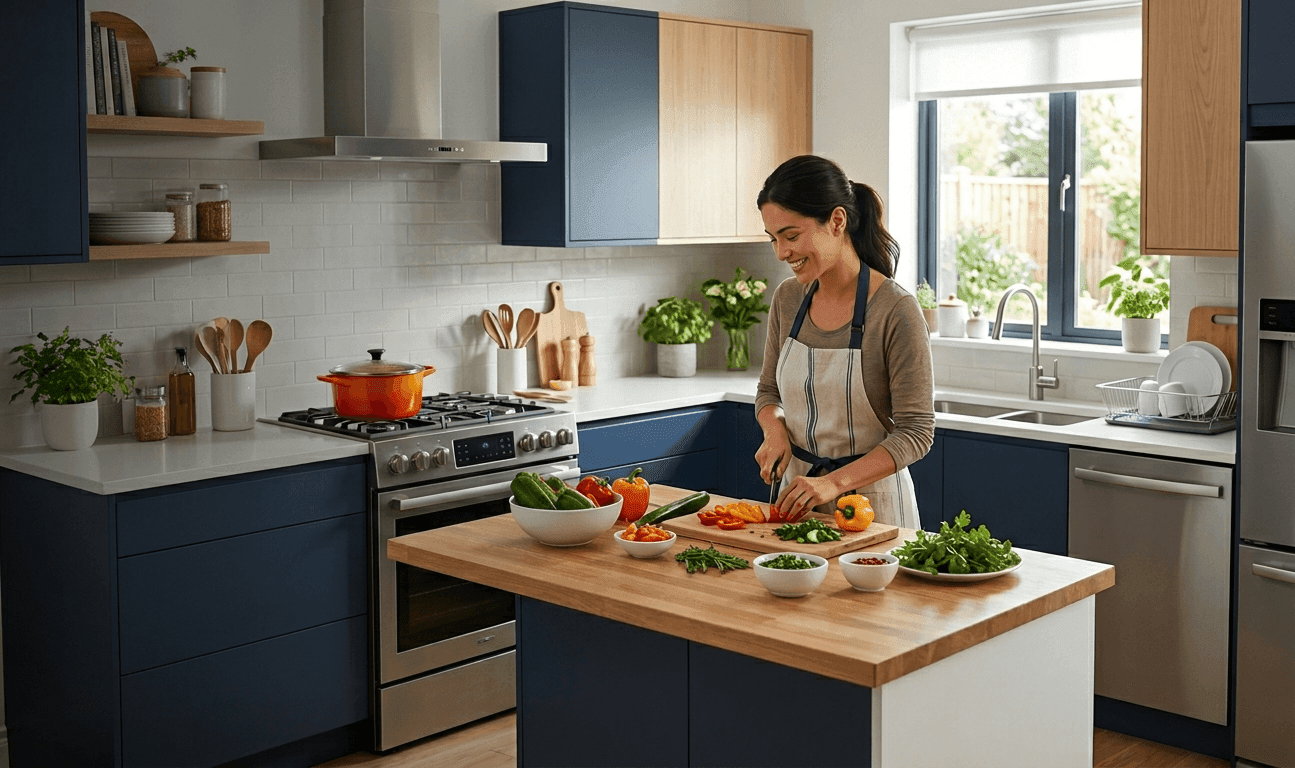
What Is the Best Kitchen Layout for Cooking Efficiency? (Complete Guide for Modern Homes)
Designing a kitchen isn’t just about aesthetics. If you cook regularly, the layout of your kitchen directly affects how easy, fast, and enjoyable the experience feels.
So, what is the best kitchen layout for cooking efficiency?
The best kitchen layout for cooking efficiency is one that follows the kitchen work triangle, ensuring smooth movement between the sink, stove, and refrigerator. Layouts like U-shaped, L-shaped, and galley kitchens are considered the most efficient, depending on the size and structure of your space.
What Is the Kitchen Work Triangle?
If you’ve been researching efficient kitchen design, you’ve likely come across this term.
The kitchen work triangle connects three main areas:
- Sink (cleaning)
- Stove (cooking)
- Refrigerator (storage)
The idea is simple: minimize unnecessary movement while cooking.
Why it matters:
- Saves time while cooking
- Reduces physical effort
- Keeps everything within reach
If you’re planning a redesign, explore our detailed guide on Kitchen Renovation Ideas to make smarter layout decisions.
Types of Kitchen Layouts (And Which One Is Best for You)
There’s no one-size-fits-all answer. The best kitchen layout depends on your space, lifestyle, and cooking habits.
Let’s break down the most efficient kitchen layouts.
1. U-Shaped Kitchen Layout (Most Efficient Overall)
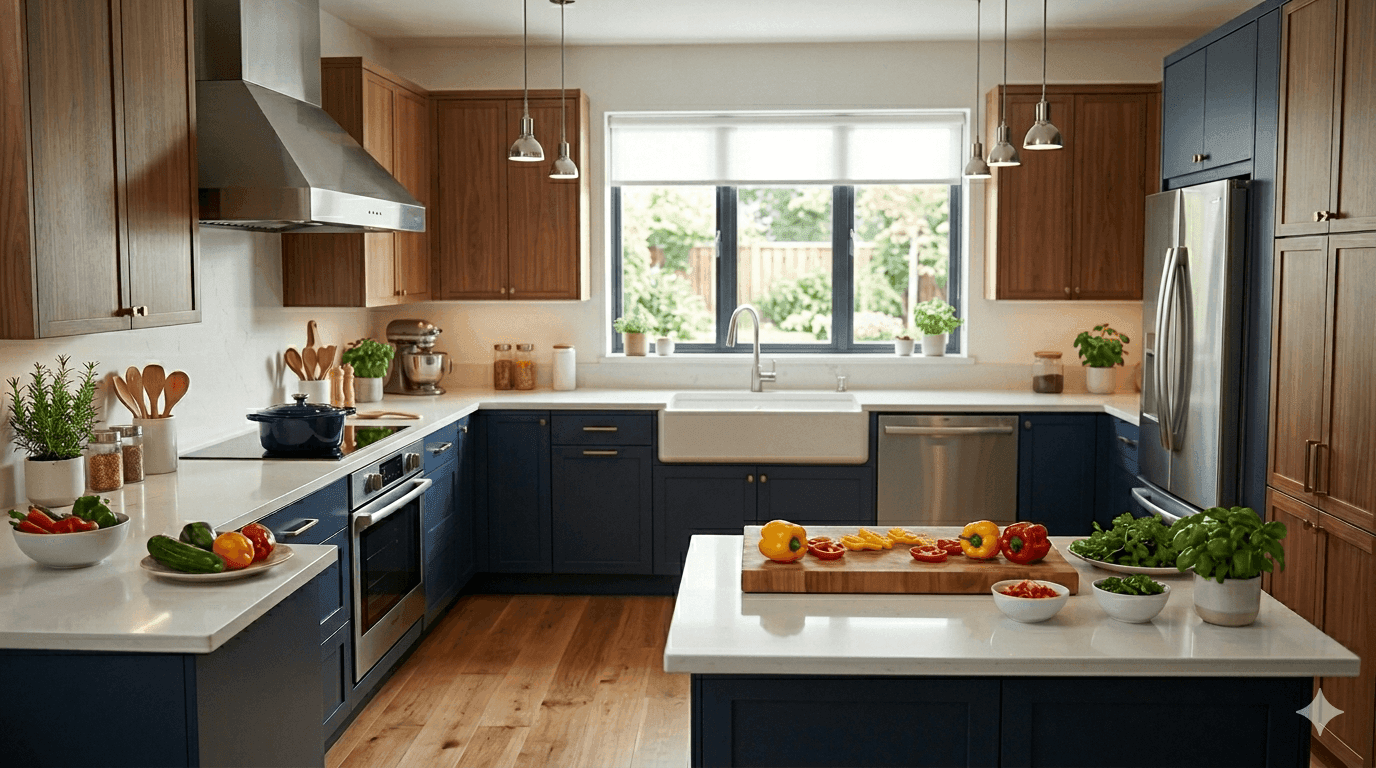
A U-shaped kitchen uses three walls, forming a “U” around the cook.
Why it works for efficiency:
- Perfectly supports the kitchen work triangle
- Everything is within a few steps
- Plenty of counter space
Best for:
- Medium to large kitchens
- Frequent cooking in households
2. L-Shaped Kitchen Layout (Flexible & Modern)
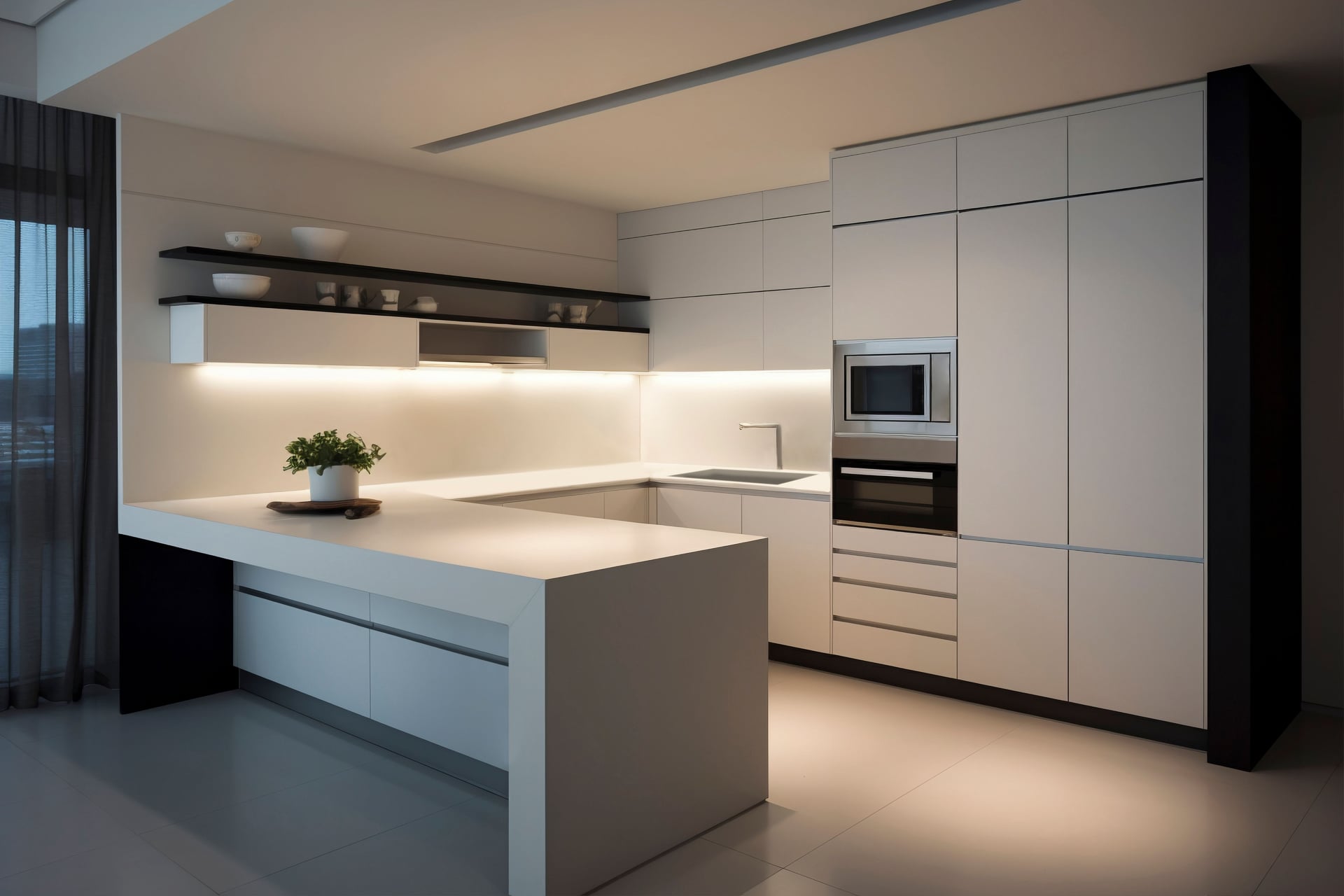
This layout uses two adjacent walls, forming an “L”.
Why it works:
- Open and spacious feel
- Easy to add an island
- Good workflow without crowding
Best for:
- Open-concept homes
- Small to medium kitchens
3. Galley Kitchen Layout (Best for Small Spaces)
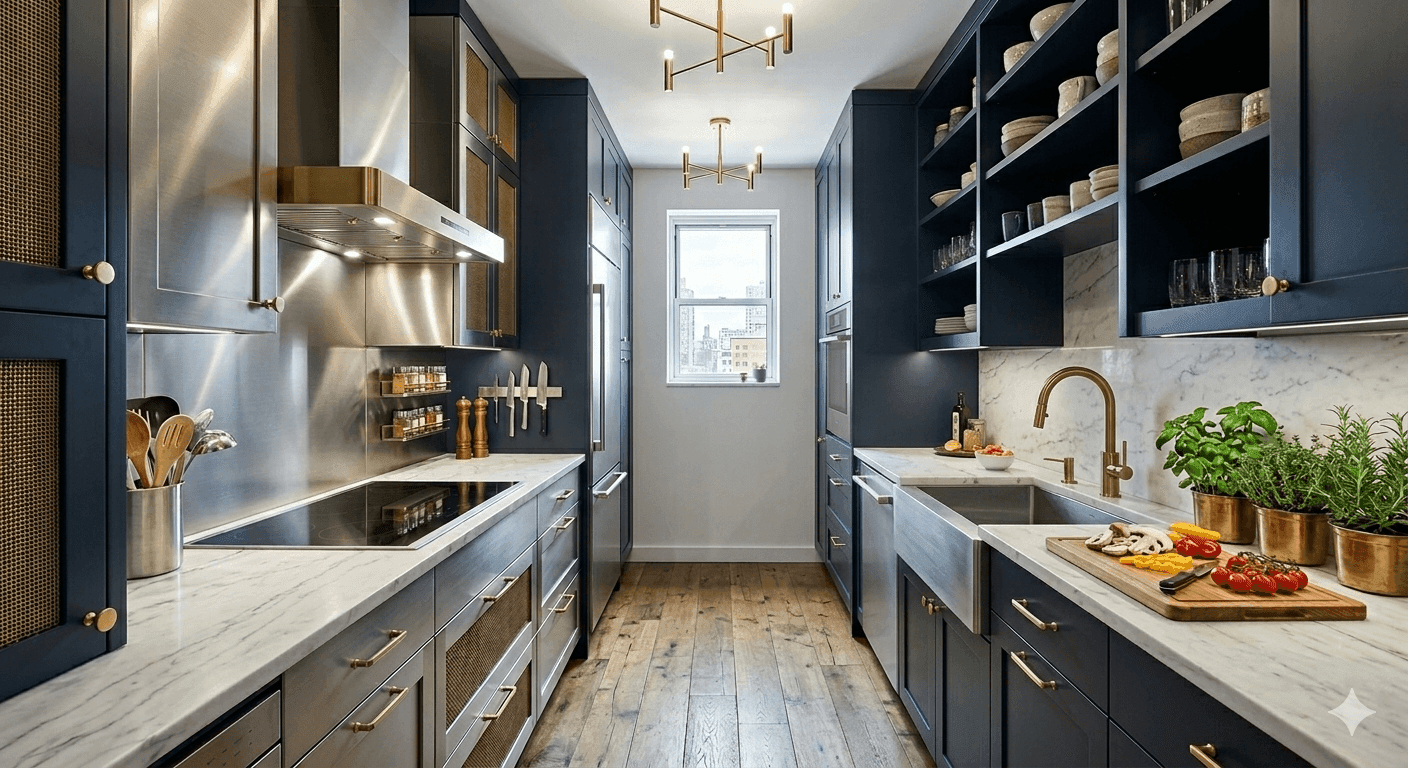
A galley kitchen has two parallel walls with a walkway in between.
Why it works:
- Everything is within arm’s reach
- Highly efficient for quick cooking
- Minimal movement required
Best for:
- Apartments and compact homes
You can also read: Small Kitchen Storage Ideas That Actually Work to maximize tight spaces.
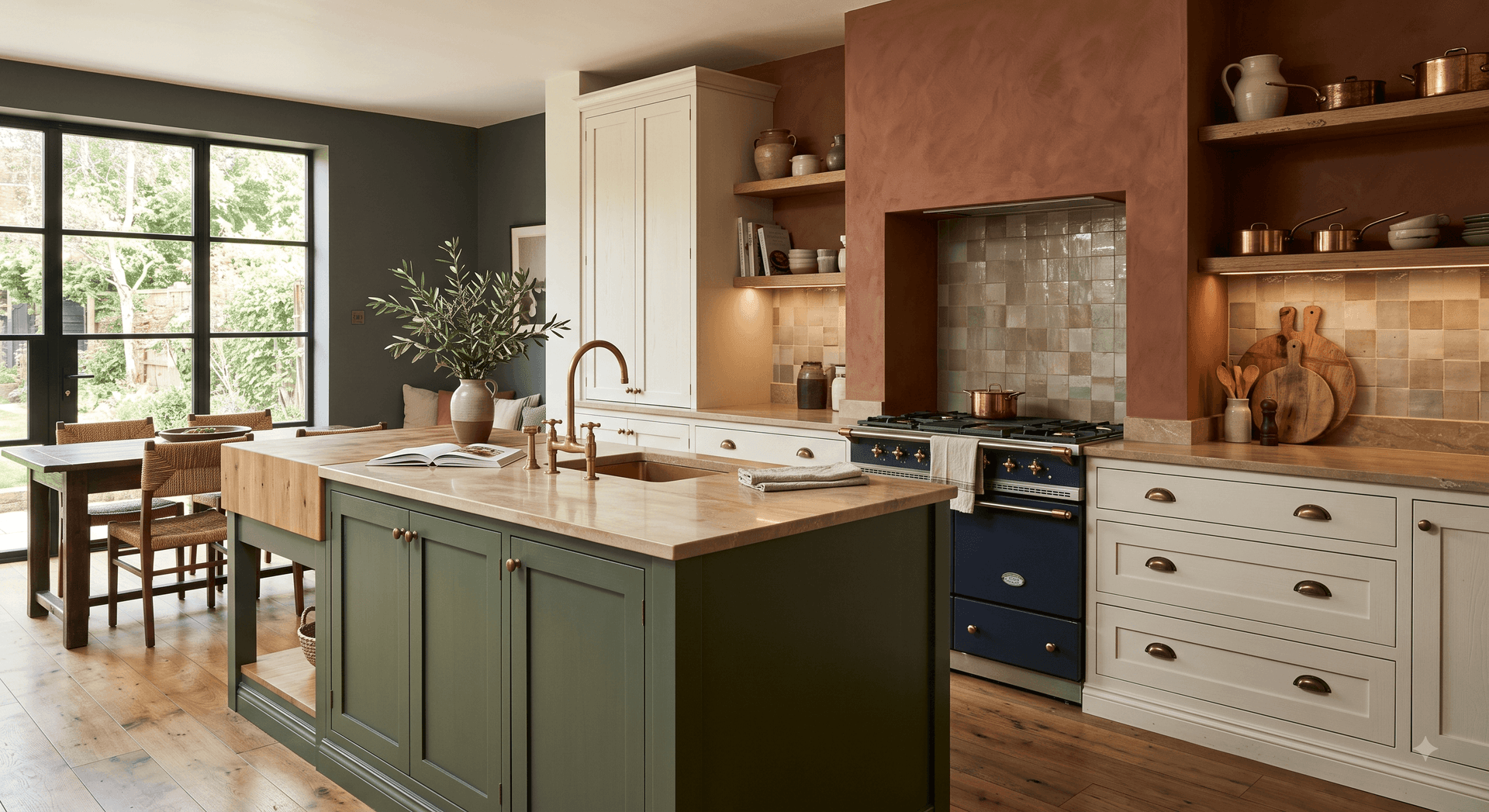
4. Island Kitchen Layout (Best for Multi-Tasking)
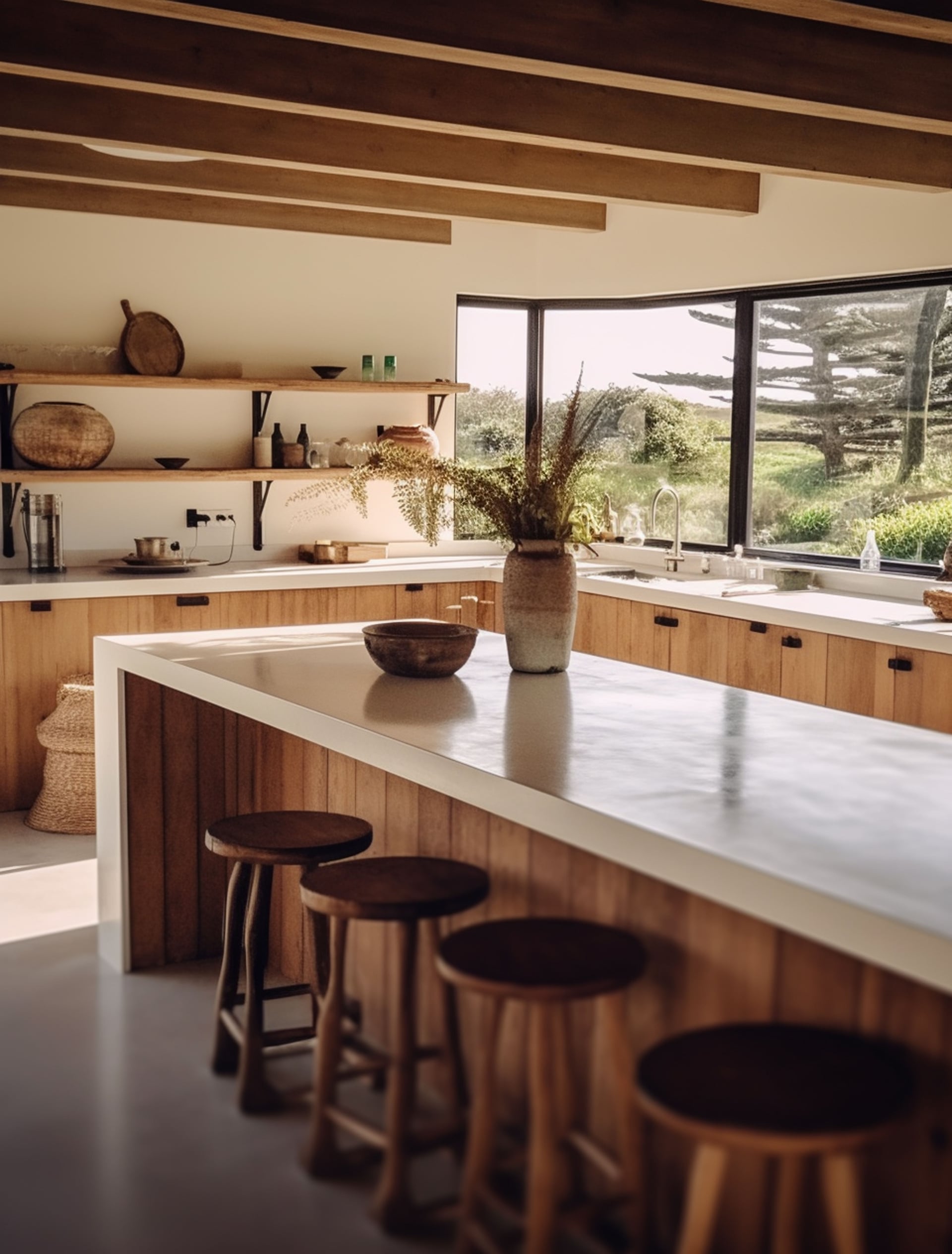
An island adds extra workspace in the center of your kitchen.
Why it works:
- Additional prep area
- Great for social cooking
- Can include sink or cooktop
Best for:
- Large kitchens
- Families and entertaining
5. One-Wall Kitchen Layout (Space-Saving Option)
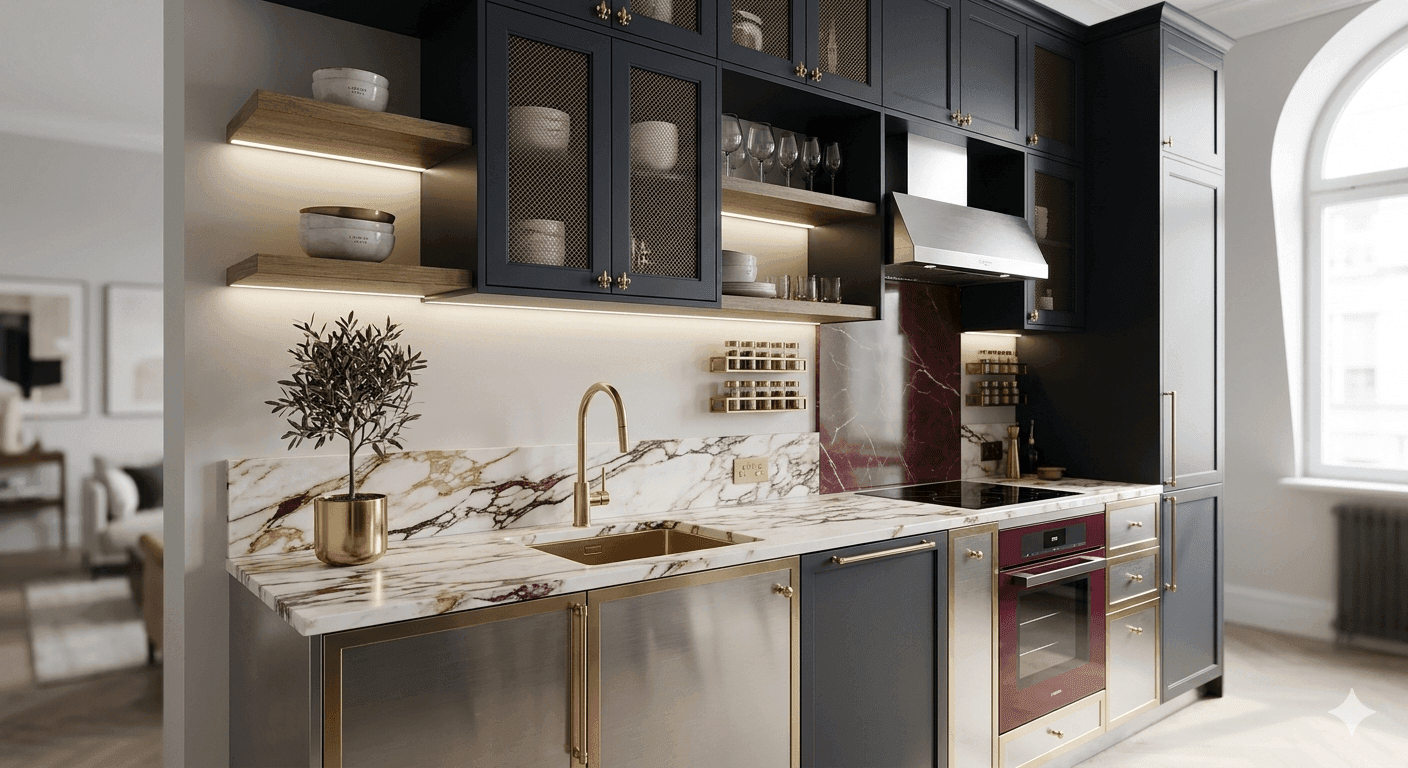
Everything is placed along a single wall.
Why it works:
- Saves space
- Clean and minimal look
Limitation:
- Less efficient for heavy cooking
Comparison: Which Kitchen Layout Is Most Efficient?
| Layout | Efficiency Level | Best For | Space Required |
|---|---|---|---|
| U-Shaped | ⭐⭐⭐⭐⭐ | Frequent cooking | Medium-Large |
| L-Shaped | ⭐⭐⭐⭐ | Open layouts | Small-Medium |
| Galley | ⭐⭐⭐⭐⭐ | Small kitchens | Compact |
| Island | ⭐⭐⭐⭐ | Multi-tasking & social | Large |
| One-Wall | ⭐⭐⭐ | Minimal use | Very Small |
How to Choose the Best Kitchen Layout for Cooking Efficiency
When deciding the best kitchen layout, ask yourself:
1. How often do you cook?
Frequent cooking requires a more optimized layout, such as a U-shaped or galley layout.
2. How much space do you have?
Small kitchens benefit from galley or L-shaped layouts.
3. Do you cook alone or with others?
If multiple people use the kitchen, avoid tight layouts.
4. Do you need extra storage?
Layouts with more walls = more storage opportunities.
Common Kitchen Layout Mistakes to Avoid
Even the best layout can fail if poorly executed.
- Ignoring the work triangle
- Placing appliances too far apart
- Not leaving enough walking space
- Overcrowding with islands in small kitchens
If your kitchen still feels off, read: Why Does Your Kitchen Feel Cluttered Even When It’s Clean?

Layout matters, but so do your appliances
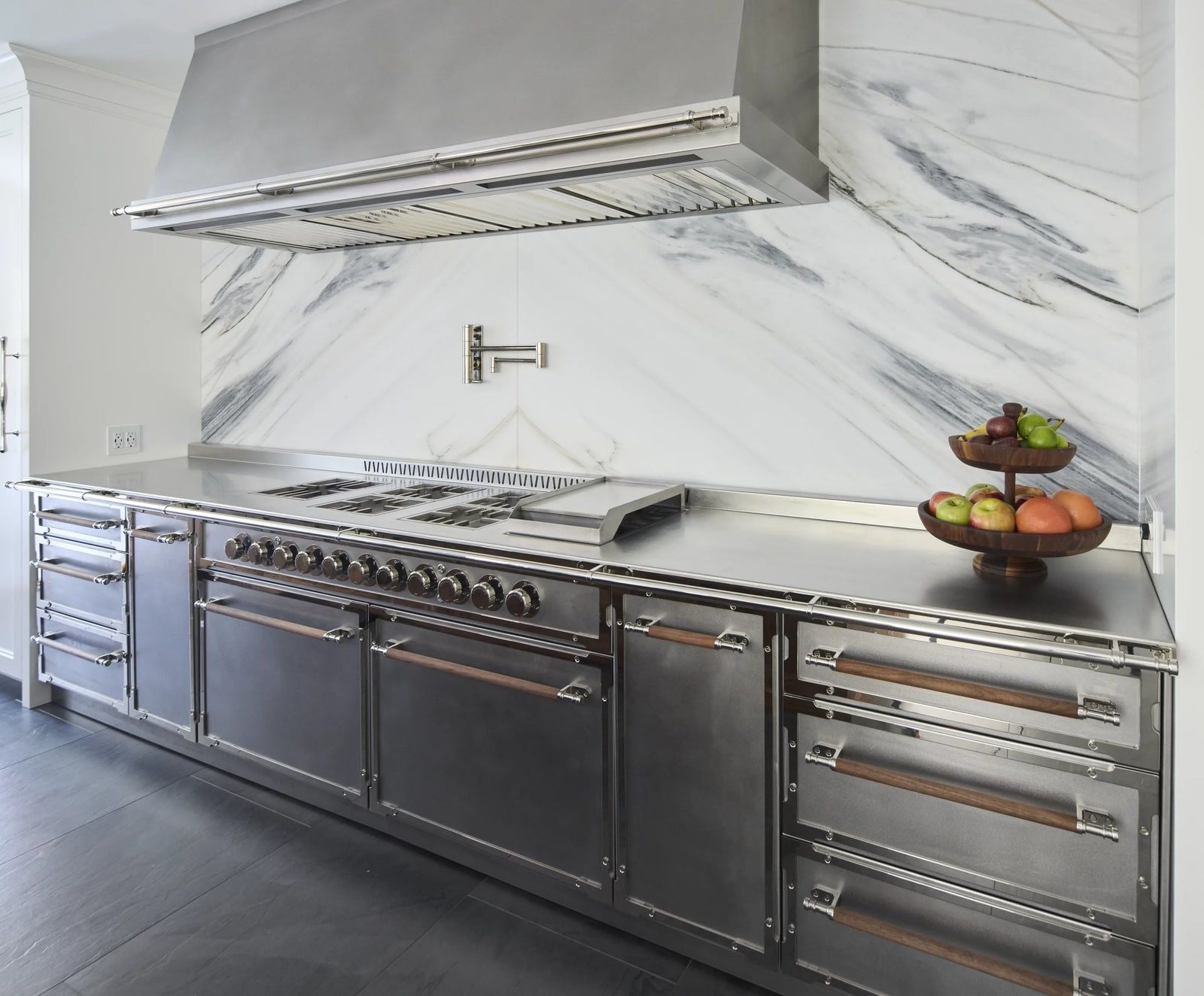
A well-designed range can reduce movement, improve workflow, and even eliminate the need for multiple cooking tools.
Final Thoughts
The best kitchen layout for cooking efficiency isn’t about following trends. It’s about creating a space that works for you.
If you cook often, prioritize:
- Smooth workflow
- Easy access to essentials
- Minimal movement
Whether it’s a compact galley kitchen or a spacious U-shaped design, the right layout can completely change how your kitchen feels and functions.

Marcus Ellery
Marcus Ellery is a U.S.–based design writer and home–living enthusiast with a passion for exploring how thoughtful craftsmanship shapes modern spaces. With over a decade of experience covering kitchen innovation, luxury interiors, and architectural design trends, Marcus brings a balanced blend of storytelling and technical insight to every piece he writes.
More from Kitchen Renovation Ideas



Join Our World of Design & Cuisine
Receive curated stories on French craftsmanship, design inspirations, and culinary living — straight from French Ranges USA.
The U-shaped kitchen layout is widely considered the most efficient for cooking because it surrounds the cook with three walls of counter space, appliances, and storage, all within a few steps. For smaller homes, the galley layout offers similar efficiency by placing everything within arm's reach across two parallel walls.
The kitchen work triangle is a design principle that connects the three most-used zones in any kitchen, the sink, stove, and refrigerator, in a triangular flow. It matters because it minimizes unnecessary steps, reduces fatigue during cooking, and keeps essential tools within easy reach. An ideal triangle has each side measuring between 4 and 9 feet.
For small apartments, the galley kitchen layout is the most efficient choice. With two parallel walls and a narrow walkway in between, it keeps the sink, stove, and fridge within a single step of each other. The L-shaped layout is a strong second option if you want a more open feel or plan to add a dining area.
The most common kitchen layout mistakes include ignoring the work triangle, placing the stove and refrigerator too far apart, leaving less than 36 inches of walkway space, overcrowding small kitchens with an oversized island, and forgetting to plan for adequate counter space beside major appliances. Avoiding these errors keeps your kitchen functional regardless of size.